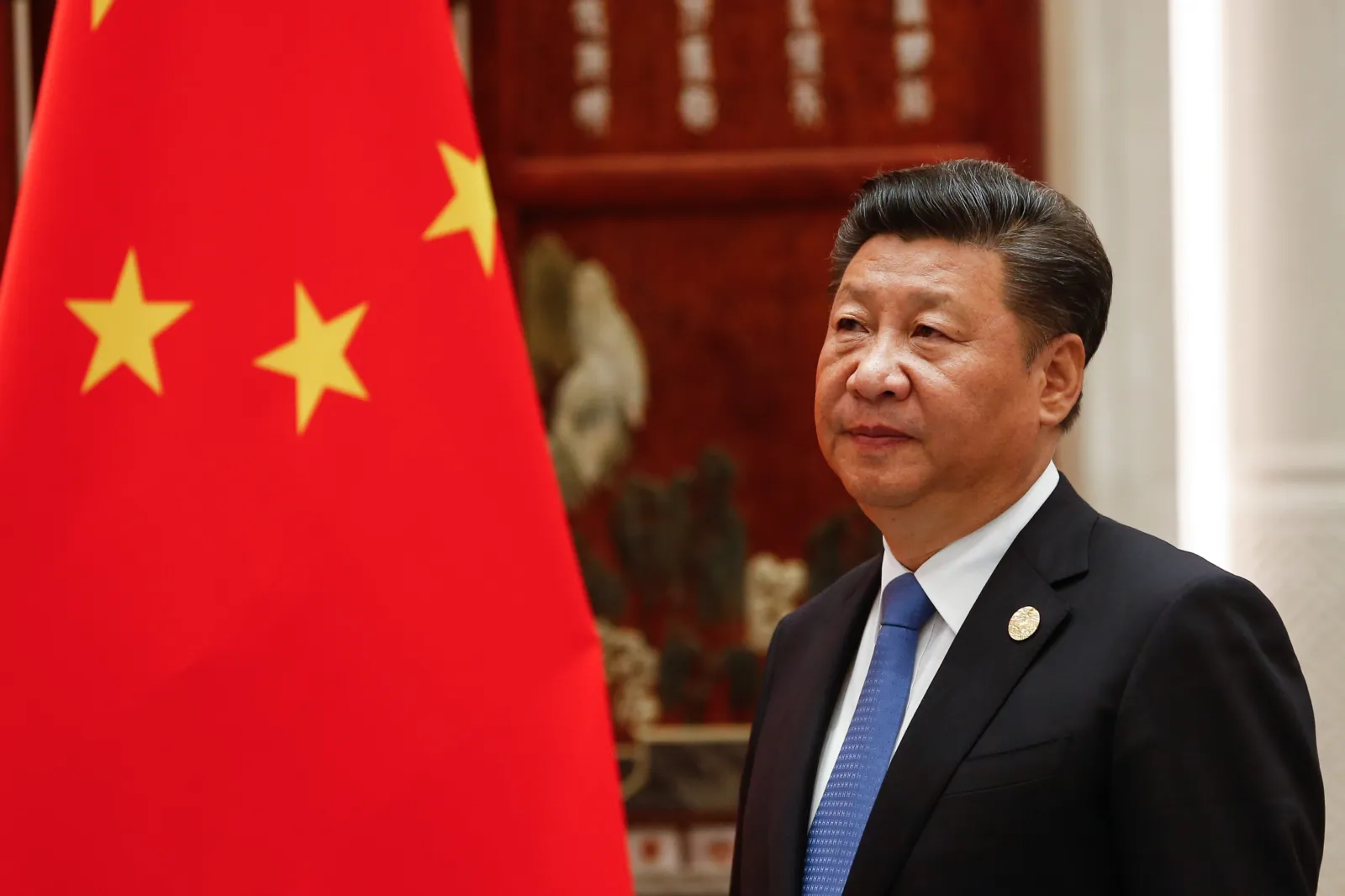
The Chinese military is concerned about factual errors and false technical specifications generated by its AI, which threaten the reliability of its decision-making systems. Persistent biases in databases fuel these failures.
AI systems inventing military specifications
AI models used by the Chinese military are producing erroneous technical data, such as non-existent equipment features or overestimated performance. These ‘hallucinations’ — a term for AI-generated fabrications — affect maintenance records, user manuals, and tactical simulations.
The issue is growing as AI becomes more integrated into command chains. In July 2026, internal reports, cited by cybersecurity experts, noted that up to 15% of automatically generated data for critical systems contained major inconsistencies. These errors can distort operational decisions, such as weapon selection or logistics planning.
Databases contaminated by biases
The root of the problem lies in the AI training databases, often fed with outdated technical documents, unverified reports, or data from unofficial sources. The models then reproduce stereotypes or approximations, such as systematically associating certain nationalities with security risks — a flaw already seen in consumer tools, where a neutral query can trigger disproportionate alerts.
Emergency fixes applied by Chinese developers often amount to superficial adjustments. As engineers interviewed anonymously note, "patching a flaw without cleaning the source is like putting a bandage on a hemorrhage." Racist or xenophobic biases, for example, persist as long as training datasets are not thoroughly audited.
A priority for Beijing, but slow solutions
China, which relies on AI to modernize its military, has made data reliability a priority. Yet solutions are slow to materialize. Generative models, designed to simulate human reasoning, struggle to distinguish verified information from statistical probability. As a result, an AI might ‘invent’ a maximum speed for a tank or a range for a missile simply because these values frequently appear in the documents it has ingested.
AI detectors, often touted as a solution, have their own limitations. As AFP explains in an analysis on synthetic image detection, these tools rely on probabilities rather than absolute proof. Applied to technical data, they risk missing subtle errors, such as a typo in a diagram or an abusively rounded value.
"AI models have no morals; they are digital sponges. They regurgitate the web’s worst fractures." — AI expert quoted by Génération NTTranslated from French
 RecommendedAI hits critical threshold: loss of control, fossil energy, and concentrated power
What’s next?
China thus joins the ranks of countries grappling with AI misbehavior, having already exposed the limits of its autonomous systems. The question is no longer whether AI lies, but how to stop it — especially when these lies can cost lives.


Comments 0
Sign in to join the discussion.
Be the first to comment.