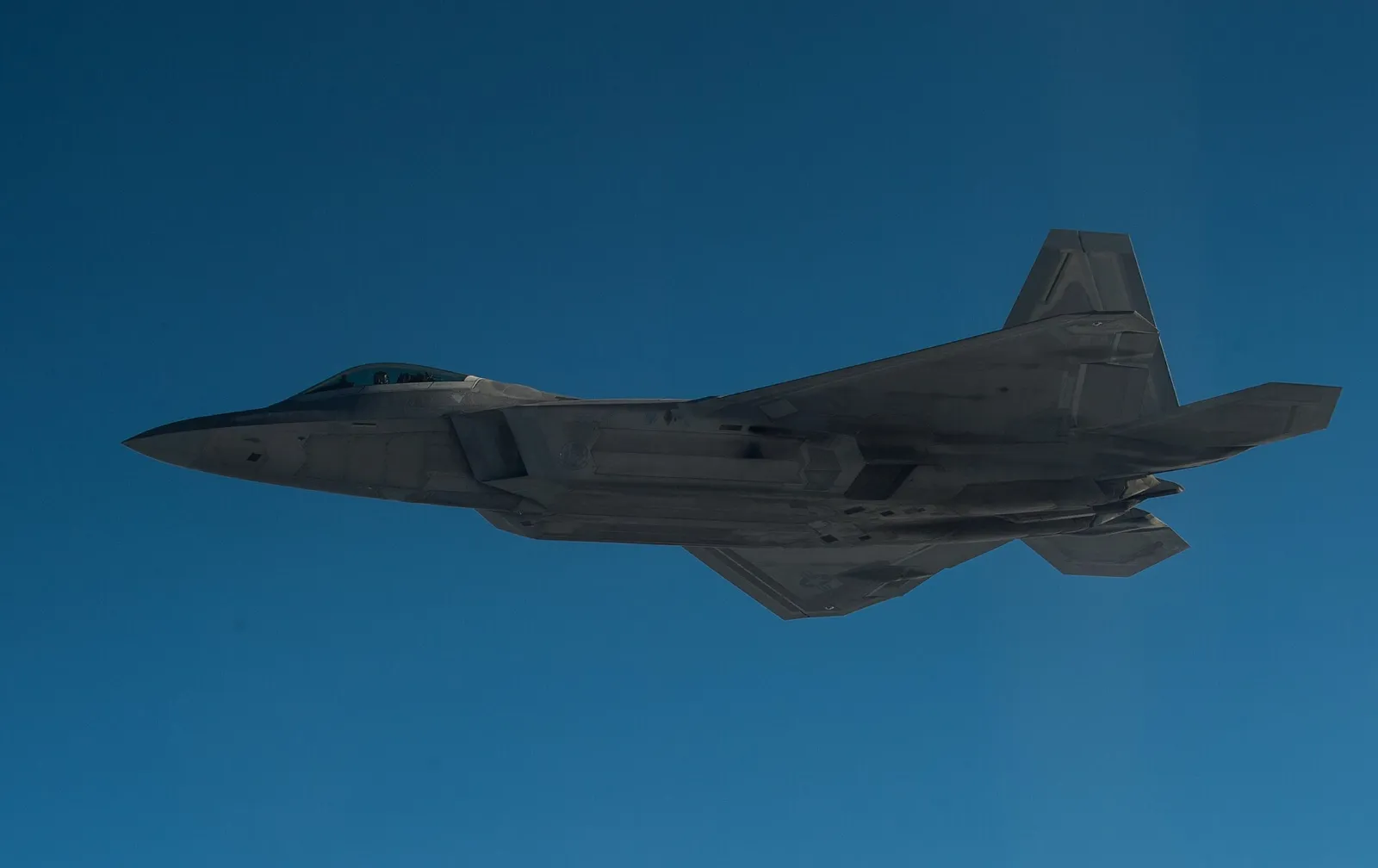
The European SCAF program is abandoned. France is now developing its own Rafale F5 fighter jet, with entry into service planned between 2033 and 2035.
SCAF Failure and France’s Solo Turn
In June 2026, the SCAF (Future Combat Air System) project, intended to unify efforts from France, Germany, and Spain, was abandoned. Industrial disagreements between Dassault Aviation and Airbus, representing French and German-Spanish interests respectively, made any joint governance impossible. Reconciling visions proved unworkable: task-sharing and leadership remained insurmountable sticking points.
Facing this failure, Dassault Aviation, through its CEO Éric Trappier, announced the solo development of the Rafale F5, nicknamed the "Super Rafale." This new aircraft meets an explicit demand from the French armed forces while building on the legacy of the current Rafale, already successfully exported.
A Tight Schedule and Clear Ambitions
The Rafale F5 is set to enter service between 2033 and 2035, with the first operational squadron planned for Luxeuil-Saint-Sauveur around 2036. This timeline reflects strategic urgency: ensuring the continuity of air-based nuclear deterrence, particularly with the future ASN4G (4th Generation Air-to-Surface Nuclear) missile, successor to the ASMPA-R.
Technologically, the F5 will integrate major innovations: a new radar, an upgraded SPECTRA electronic warfare suite, and the ability to control combat drones like the nEUROn demonstrator. It will also serve as the carrier for the hypersonic ASN4G missile, ensuring the longevity of France’s air-based deterrent component.
Sovereignty Above All
This solo choice aligns with France’s tradition of strategic independence. Éric Trappier reaffirmed Dassault’s ability to design a top-tier fighter jet alone, without a broader European partnership. The door remains open to ad-hoc cooperation on specific technologies, but project leadership will remain 100% French.
The advantage is twofold: avoiding the deadlocks of multiparty negotiations, as seen with SCAF, and freeing itself from political or industrial constraints of foreign partners. A major asset for exports, where Dassault aims for commercialization as early as 2035.
"Dassault Aviation is capable of designing a fighter jet alone, without needing to merge capital with other manufacturers." — Éric Trappier, CEO of Dassault AviationTranslated from French
 RecommendedAI-designed drone vanishes by spinning in place
What This Changes
France is betting on its historical expertise rather than pooling European resources. This gamble carries a risk: temporarily abandoning the ideal of a unified European defense. The Rafale F5 will need to prove its competitiveness against international rivals, particularly from the US and China, within a decade.
The turn is made. After SCAF’s failure, France is accelerating alone on its fighter jet, with a clear goal: maintain its sovereignty and technological edge. Time will tell if this pragmatic choice pays off in the long run.

Comments 0
Sign in to join the discussion.
Be the first to comment.